From Idea to Working MVP in 2-4 Weeks
Stop planning, start shipping. I help you define the right scope, build the minimum that proves your idea, and get in front of real users fast.
- Typical timeline
- 2-4 weeks
- Typical investment
- $15,000 – $150,000
Who This Is For
You have an idea and need to test it with real users — fast. I cut through the feature wishlist to build the minimum that proves your assumption, then get you in front of paying customers.
- ✓First-time founders who need to validate an idea before committing to a full build
- ✓Entrepreneurs testing product-market fit with real users
- ✓Startups preparing for investor demos or fundraising pitches
- ✓Businesses exploring new revenue streams with minimal risk
- ✓Technical teams needing rapid prototypes for stakeholder approval
Who This Isn't For
- ✗Founders who already have product-market fit and need a full-scale product — hire me for full development instead
- ✗Ideas still in the brainstorming phase without any customer validation or market research
- ✗Projects that require complex regulatory compliance (HIPAA, SOC2) from day one
- ✗Teams that need ongoing development and iteration after the MVP — though I can continue as a full-service developer
Development Process
From idea to deployment. Each phase has clear deliverables so you always know where we stand.
Scope Definition & Assumption Mapping
Week 1
We identify your core assumption to validate — the one thing that must be true for your idea to work. I help you cut features ruthlessly. The most valuable thing I do is tell you what NOT to build yet.
Rapid Build Sprint
Week 1-3
I build the minimum that proves your idea. Clean architecture, but zero unnecessary complexity. You see working features daily — not status updates, actual deployed functionality.
Launch & Validate
Week 3-4
Deployed to a production URL with basic analytics in place. You are ready for real users, investor demos, or beta testing. Source code and documentation included.
Review & Roadmap
Week 4
Based on real user feedback, we decide the next steps: iterate the MVP based on insights, or expand into a full-scale product. The architecture supports both paths without rewrites.
What's Included in Every Project
Every mvp development project ships with these core components pre-architected.
Core User Flow
The single most important user journey — from landing to first value. Everything else is deferred until validated.
Basic Authentication
Email/password or Google SSO. Just enough to identify users and collect feedback — no complex role management.
Database & API
Lightweight but well-structured. Enough to store core data and serve the frontend. Migrates cleanly to production scale.
Production Deployment
Live URL, SSL, custom domain if needed. Real infrastructure from day one, not a localhost prototype.
Usage Analytics
Basic tracking — page views, signups, core actions. Enough to know if users are engaging, nothing more.
Feedback Collection
In-app feedback widget or simple form. Every user interaction is a signal to iterate on.
Why Custom MVPs Beat No-Code
No-code platforms build prototypes. I build MVPs that can become products. The difference is architecture — and the ability to pivot without rebuilding from scratch.
From MVP to Product Without Rewrites
No-code prototypes must be rebuilt entirely when you need production features. Clean architecture means your MVP evolves into the full product — not thrown away.
Ship Features Users Actually Ask For
I build exactly what validates your core assumption. When users ask for more, I add it to a clean codebase — not hack more features into a platform that wasn't designed for them.
Investor-Ready From Day One
Investors want to see working code, not a no-code demo. A custom MVP demonstrates technical competence and reduces due diligence risk.
Full Flexibility to Pivot
Learned something new? I can change direction in days — not weeks. Custom code adapts to your learnings. No-code platforms force your idea into their constraints.
You Own Everything
Source code, IP, deployment, data — 100% yours. No monthly platform fees, no per-user costs, no risk of a no-code tool shutting down.
Custom MVP vs No-Code Prototypes
Bubble, Webflow, and FlutterFlow let you drag-and-drop a prototype in days. But when you need real users, real data, and the ability to scale or pivot — custom MVPs are the smarter investment.
| Custom Development | No-Code / DIY Platforms | |
|---|---|---|
| Path to full product | Evolves into production app without rewrites | Must be rebuilt from scratch |
| Ability to pivot | Change direction in days | Limited by platform capabilities |
| Investor credibility | Clean codebase, proper architecture | No-code demo shows limited capability |
| Source code ownership | 100% yours | Locked into the platform |
| Custom integrations | Any API, any service | Limited to platform marketplace |
| Performance | Optimized for production from day one | Platform-dependent, often slow |
| Monthly cost at scale | Hosting only (<$100/mo) | Platform fees scale with users |
| User authentication | Custom, any provider | Platform auth only, limited |
| Timeline to MVP | 2-4 weeks | 1-2 weeks |
| Long-term cost | Lower — ownership, no platform fees | Higher — rebuild cost + platform fees |
Already built a no-code prototype and ready for a production MVP? I migrate no-code prototypes to custom stacks that can scale.
Discuss Your MVPReal-World Experience
I've built MVPs across HealthTech, e-commerce, restaurant technology, and gaming. Some became full products (PeptiSync started as an MVP), others validated assumptions and pivoted. Every MVP I build is architected to scale if needed - but optimized to launch fast.
What You'll Receive
Every project ships with these deliverables — no add-ons, no surprises.
A functioning application with the core user flow complete — not a design mockup or prototype.
The single critical user journey from entry to first value delivery — thoroughly tested and production-ready.
Email/password or social login — enough to identify users and collect feedback without over-engineering.
Structured data layer with API endpoints for the core features. Built to scale if needed.
Live at a production URL with SSL, custom domain, and hosting configured for real users.
Basic tracking for page views, signups, and core actions. Enough data to validate assumptions.
100% ownership with clean, well-organized code and a README that explains the architecture.
Tech Stack Rationale
Every technology is chosen for a reason — not just because it is popular.
Next.js + TypeScript
Fastest way to build a modern web MVP. SSR for SEO, API routes for backend, and TypeScript catches bugs early. One framework, one language, rapid iteration.
Flutter / React Native
If your MVP needs mobile, cross-platform frameworks deliver iOS and Android from one codebase in weeks — not months. Same architecture scales to production.
Firebase / Supabase
Serverless backend means zero infrastructure management for your MVP. Authentication, database, and hosting in one platform. Supabase is PostgreSQL-based for easy migration to custom backend later.
Stripe / Payment Links
If your MVP needs revenue, Stripe's API and payment links let you start taking payments in hours — not days. Webhook support built in for subscription billing.
Vercel / Railway
Instant deployment from Git, automatic SSL, global CDN, and preview deployments for every branch. Your investors can see the latest build without manual setup.
Common Mistakes to Avoid
I have seen the same patterns stall or kill promising projects. Here is what to avoid — and how I help you sidestep each one.
❌ Building too many features before launch
Fix: List every feature. Then cut 80%. Launch with only the features that validate your core assumption. Everything else is noise until you have paying users.
❌ Choosing a no-code platform because it's faster
Fix: No-code is faster for week 1. Custom is faster for month 6. If you plan to grow, start with architecture that grows with you.
❌ Building for 'everyone'
Fix: Pick one user type, solve one problem, do it better than anyone. An MVP for everyone is an MVP for no one.
❌ Skipping user feedback collection
Fix: Build a feedback loop into the MVP from day one. Every signup, every interaction, every churn is data for your next iteration.
❌ Over-engineering the tech stack
Fix: Use one language, one database, one hosting provider. Firebase + Next.js or Supabase + Next.js covers 90% of MVP needs without complexity.
❌ Treating the MVP as throwaway code
Fix: Build clean architecture even for an MVP. If it works, you will want to keep it. If it doesn't, clean code is easier to learn from and repurpose.
Frequently asked questions
What counts as an MVP?↓
An MVP solves one problem for one user type well enough to test your core assumption. I help you cut scope ruthlessly - the most valuable thing I do is tell you what not to build yet.
What if I need to scale the MVP later?↓
MVPs are built with clean architecture so they can grow. When you're ready to add features or scale, I continue development or hand off clean, well-documented code to your team.
How do you keep MVPs so fast?↓
By shipping only what validates your core assumption. No admin dashboards, no analytics beyond basics, no features 'just in case'. We add those after you have paying users.
Can you help me figure out what to build?↓
Yes. Many founders come with a long feature list. I help you identify the one thing that proves your idea works, then we build that first.
Related case studies
See how I started with MVPs that became full products: PeptiSync began as a FlutterFlow prototype and evolved into a production-grade HealthTech SaaS, while ProfitPlate launched as a focused calculator and grew into a restaurant profitability platform.
HealthTech / Wellness
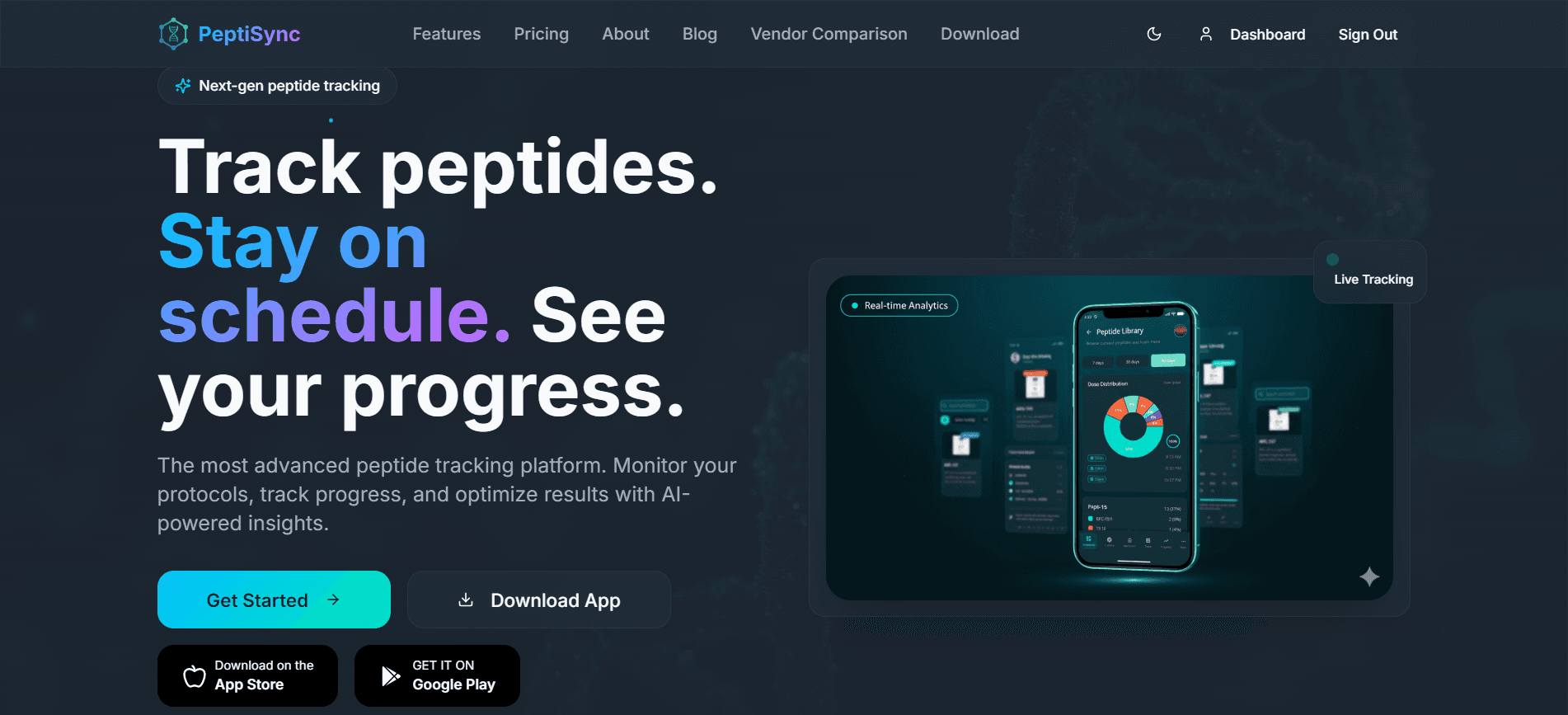
PeptiSync
A production-grade HealthTech SaaS platform for peptide therapy management with cross-platform mobile apps and real-time vendor price comparison. Built with Flutter, Firebase, and Next.js.
View case study →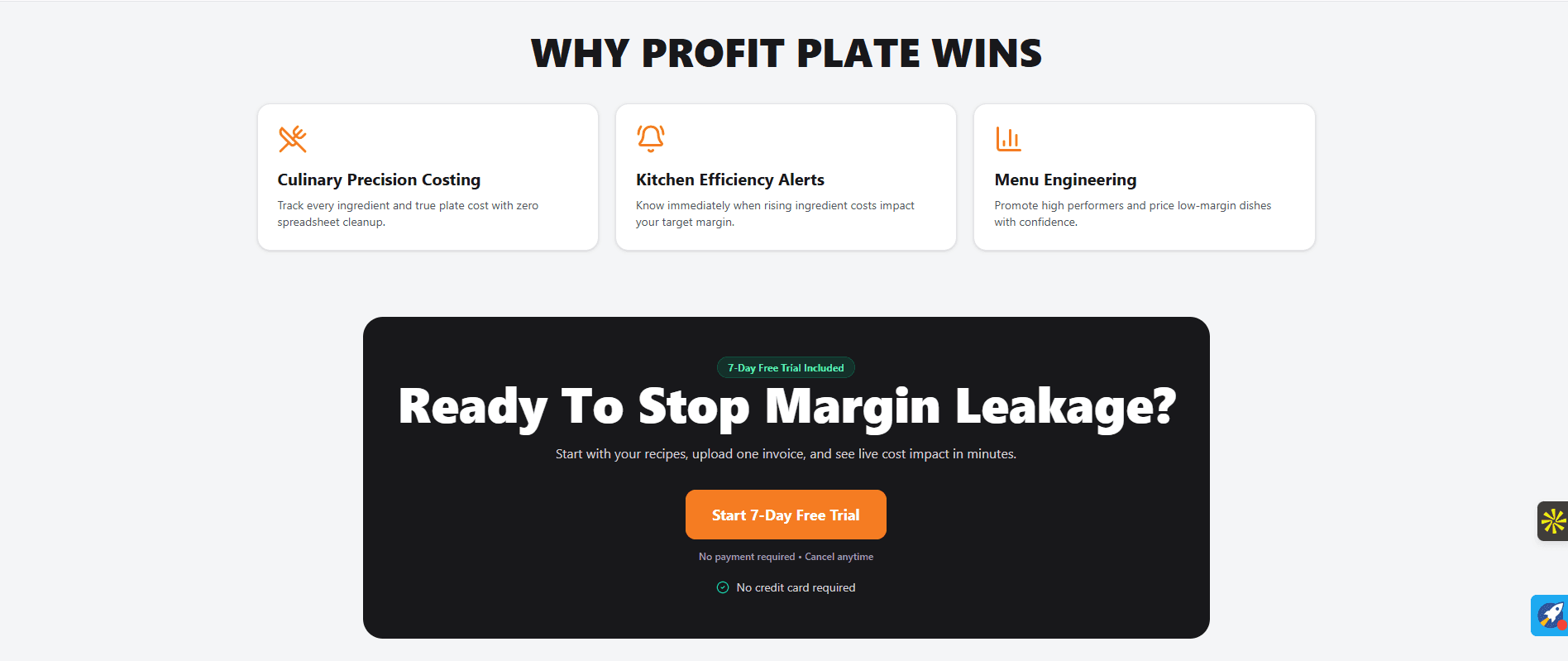
Restaurant Technology / SaaS
ProfitPlate
Designed and built a restaurant profitability platform combining business calculators, technical SEO, and a production-ready web and Android application for smarter pricing decisions.
View case study →From the Blog
Deep dives into mvp development — written while building real products.
MVP Development Cost in 2026: Complete Guide
How much does MVP development cost in 2026? $15K–$150K+ depending on complexity, with industry-specific breakdowns and hidden costs revealed.
Read article →How to Scope an MVP: A Founder's Framework
Prioritize features by effort vs impact, define your core workflow, and avoid building too much too soon with a proven scoping framework.
Read article →Launching a SaaS MVP in 90 Days
A week-by-week breakdown of how I built and launched a production SaaS MVP from idea to paying users.
Read article →Build Your MVP Ecosystem
A successful mvp development needs more than just one solution. These complementary services help you go further.
Web App Development
Expand your validated MVP into a full-featured web application with advanced features, dashboards, and integrations.
View service →Mobile App Development
Take your MVP to mobile with cross-platform iOS and Android apps built on the same backend and data model.
View service →SaaS Development
Transform your validated MVP into a subscription-based SaaS with multi-tenant architecture, billing, and admin controls.
View service →Resources & Tools
Use these free tools and guides to plan your mvp development project before we talk.
Project Cost Calculator
Get a realistic estimate for your project based on platforms, features, and complexity.
Estimate your project →SaaS MVP Planning Wizard
Answer a few questions and get a personalised planning report with actionable next steps.
Start planning →Founder Resource Library
Comparison guides, checklists, and templates to help you make better technical decisions.
Browse resources →Related services
Ready to get started?
Tell me about your mvp development project and I will get back to you within 4 hours with an honest assessment and a quote. You can also book a call if that is easier for your team.