Case Study
PeptiSync
HealthTech SaaS Platform
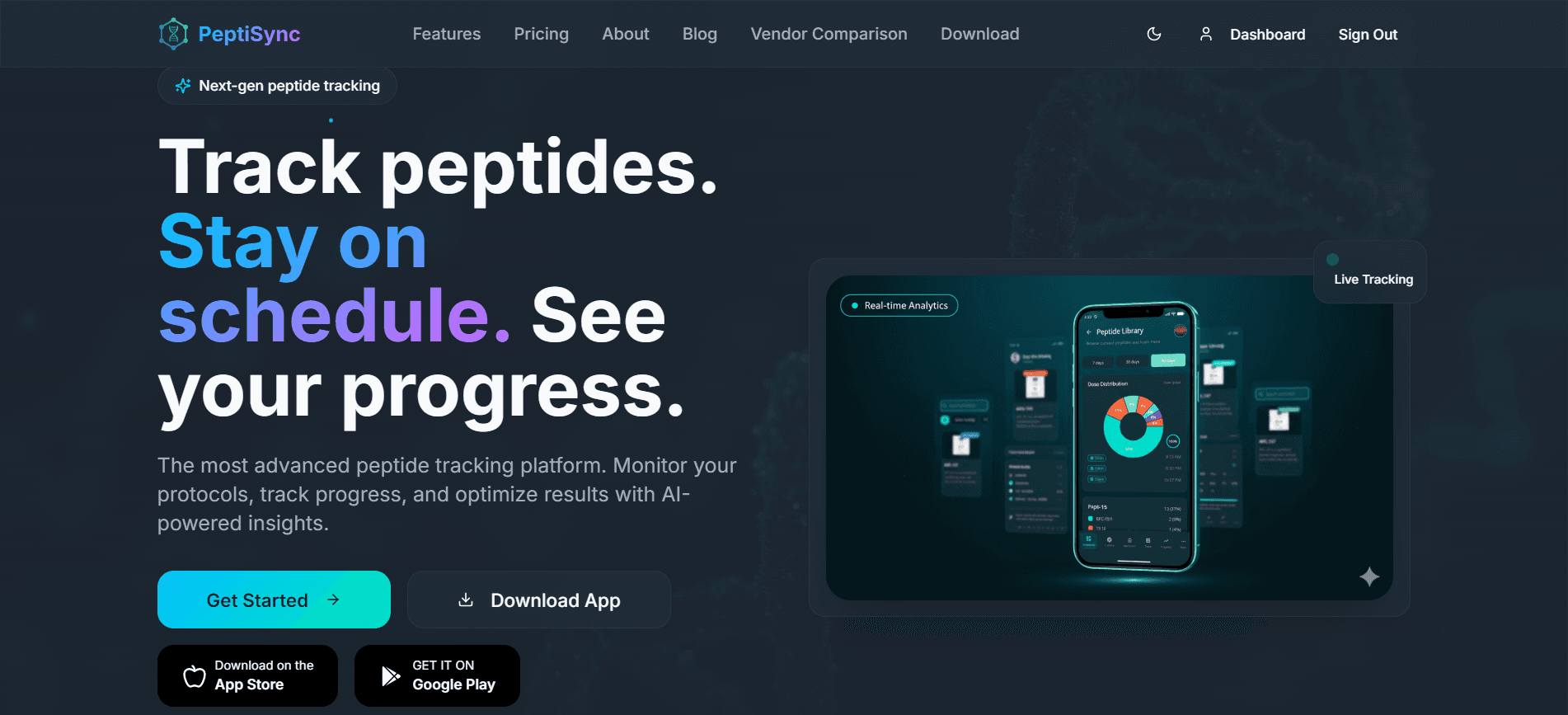
A production-grade HealthTech SaaS platform for peptide therapy management with cross-platform mobile apps and real-time vendor price comparison. Built with Flutter, Firebase, and Next.js.
The Challenge
The peptide therapy space lacked a unified digital platform for tracking protocols, comparing vendor pricing, and managing health data. Users relied on spreadsheets, fragmented notes, and manual vendor research. The challenge was to build a HIPAA-conscious platform handling sensitive health data while delivering a consumer-grade experience with real-time features, offline support, and cross-platform consistency.
Technical Challenges
- ✓Multi-platform consistency — identical UX across web, Android, and iOS from a single Flutter codebase.
- ✓Real-time vendor pricing automation — daily pipeline to fetch, normalize, and update pricing from multiple peptide vendors without manual intervention.
- ✓Subscription management — Firebase entitlement checks synchronized with in-app purchases on both app stores and the web dashboard.
- ✓Health data privacy — secure authentication flows and Firestore security rules for sensitive health records.
- ✓Offline-first architecture — logging injections, symptoms, and notes without connectivity, syncing seamlessly when online.
Architecture & Evolution
The project began as a rapid MVP built with FlutterFlow, Firebase, and a Wix marketing site. While this enabled fast validation, it introduced limitations in customization and scalability.
A strategic decision was made to migrate to a fully custom stack:
- FlutterFlow → Flutter (custom Dart code, Riverpod state management) - Wix → Next.js (SSG, dynamic routing, direct Firebase integration) - Firebase retained and deepened — Firestore, Auth, Cloud Functions, FCM
The migration was incremental: the Flutter app was rebuilt first while the FlutterFlow version remained live, then the web dashboard and marketing site were developed in parallel. Zero user-facing downtime.
The Solution
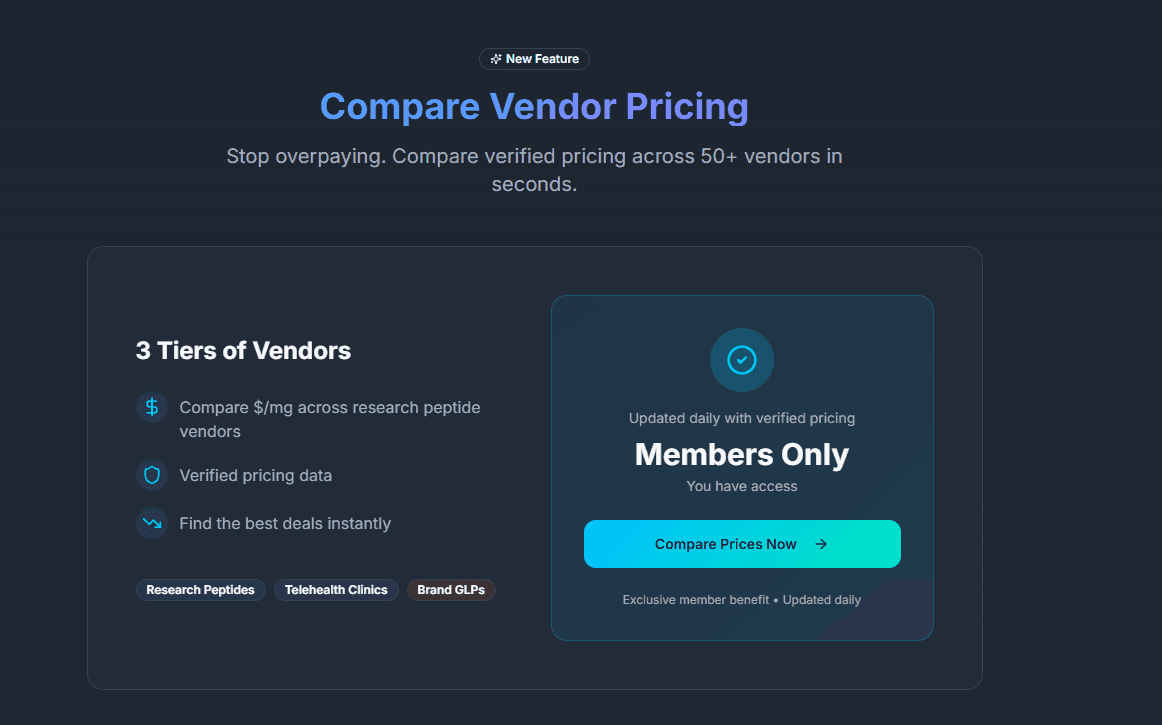
A three-component architecture: a Next.js marketing and dashboard website, a Flutter mobile app for Android and iOS, and a Firebase backend with real-time sync, authentication, push notifications, and serverless automation. The vendor comparison engine runs on a daily Cloud Function cron job, presenting users with always up-to-date pricing.
Tech Stack
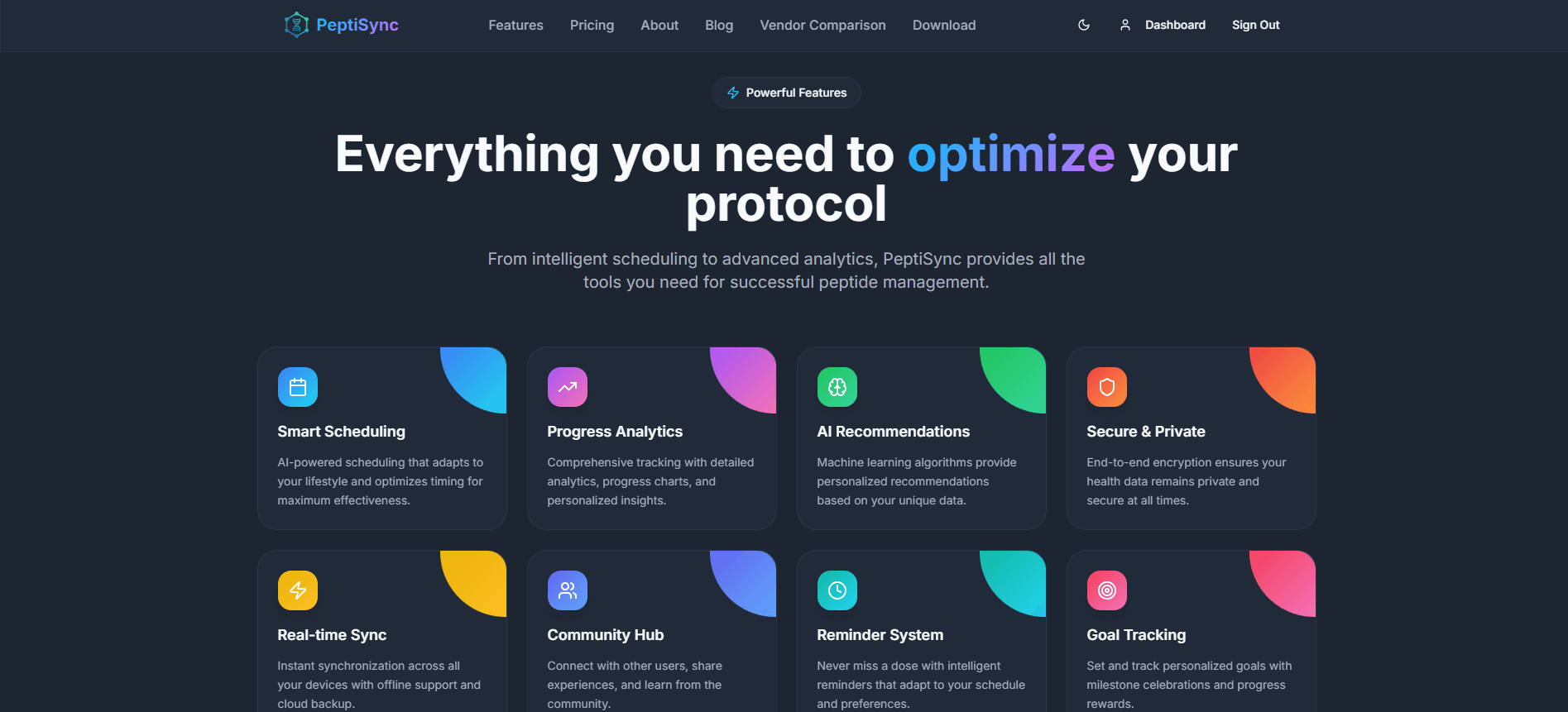
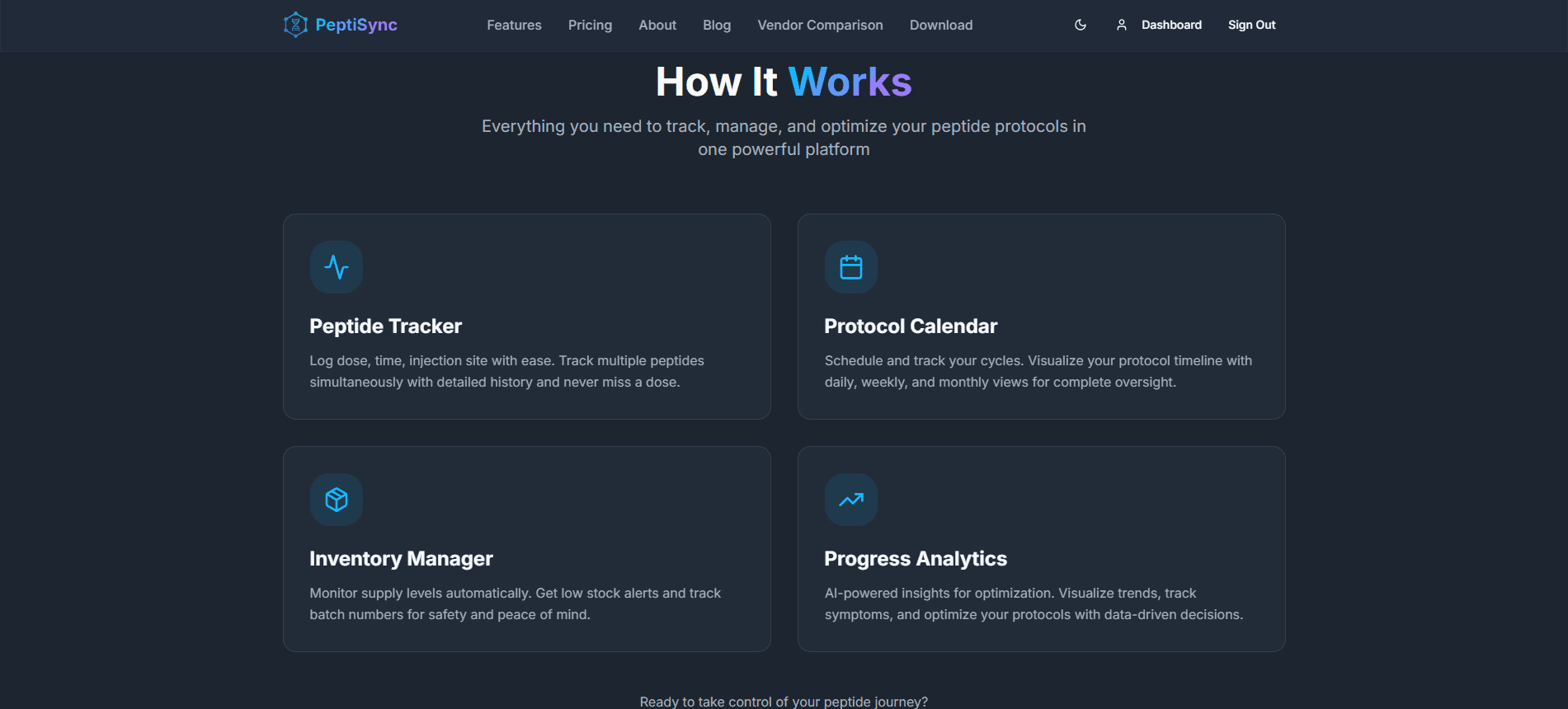
Key Features
Screenshots
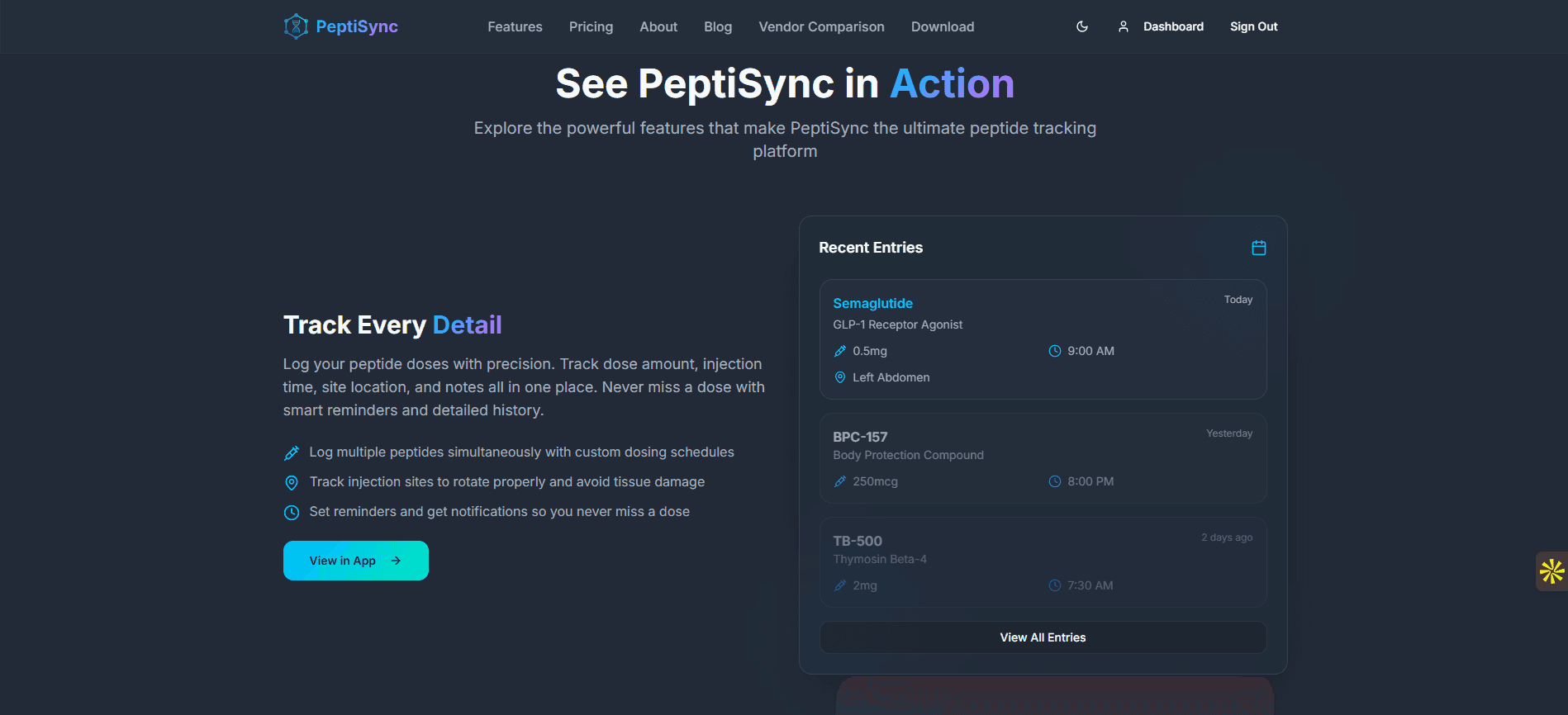
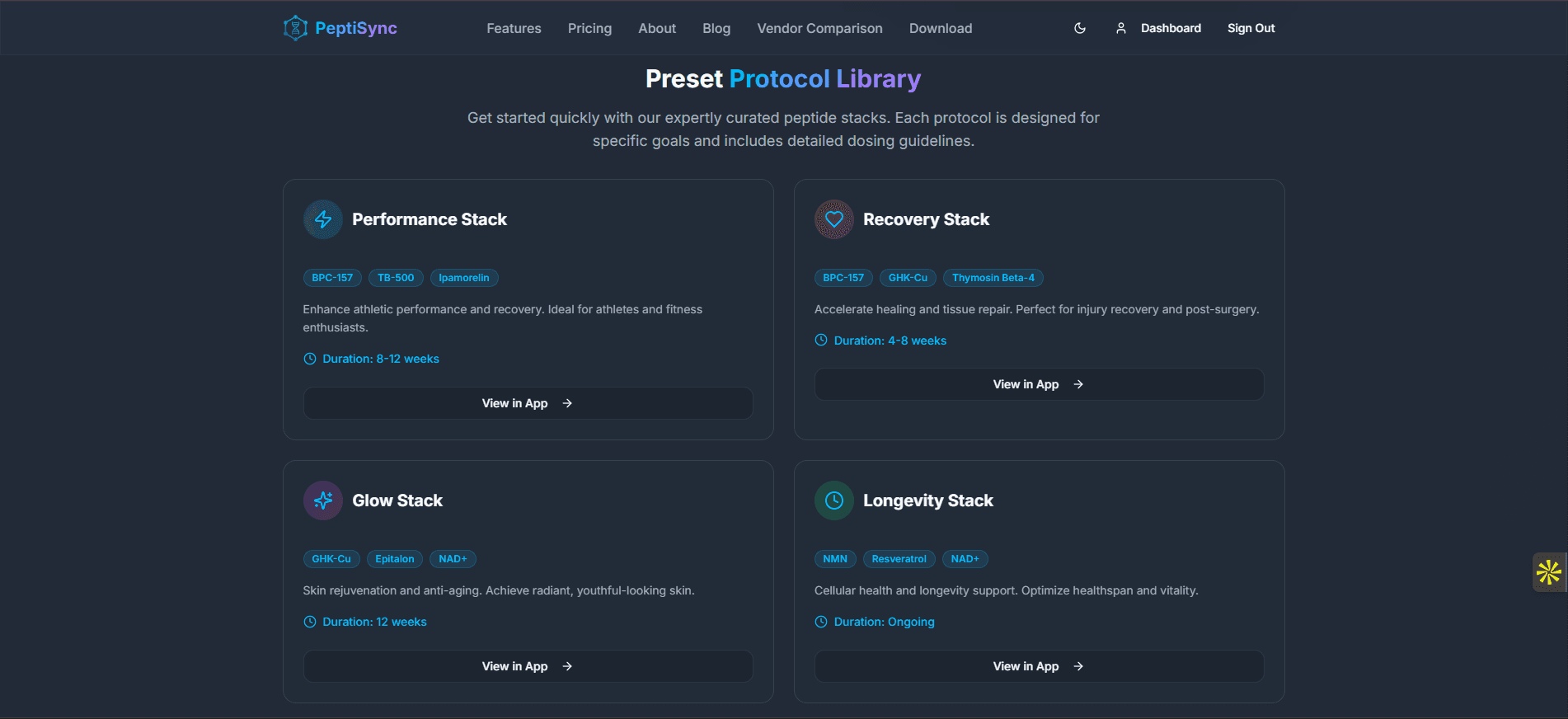
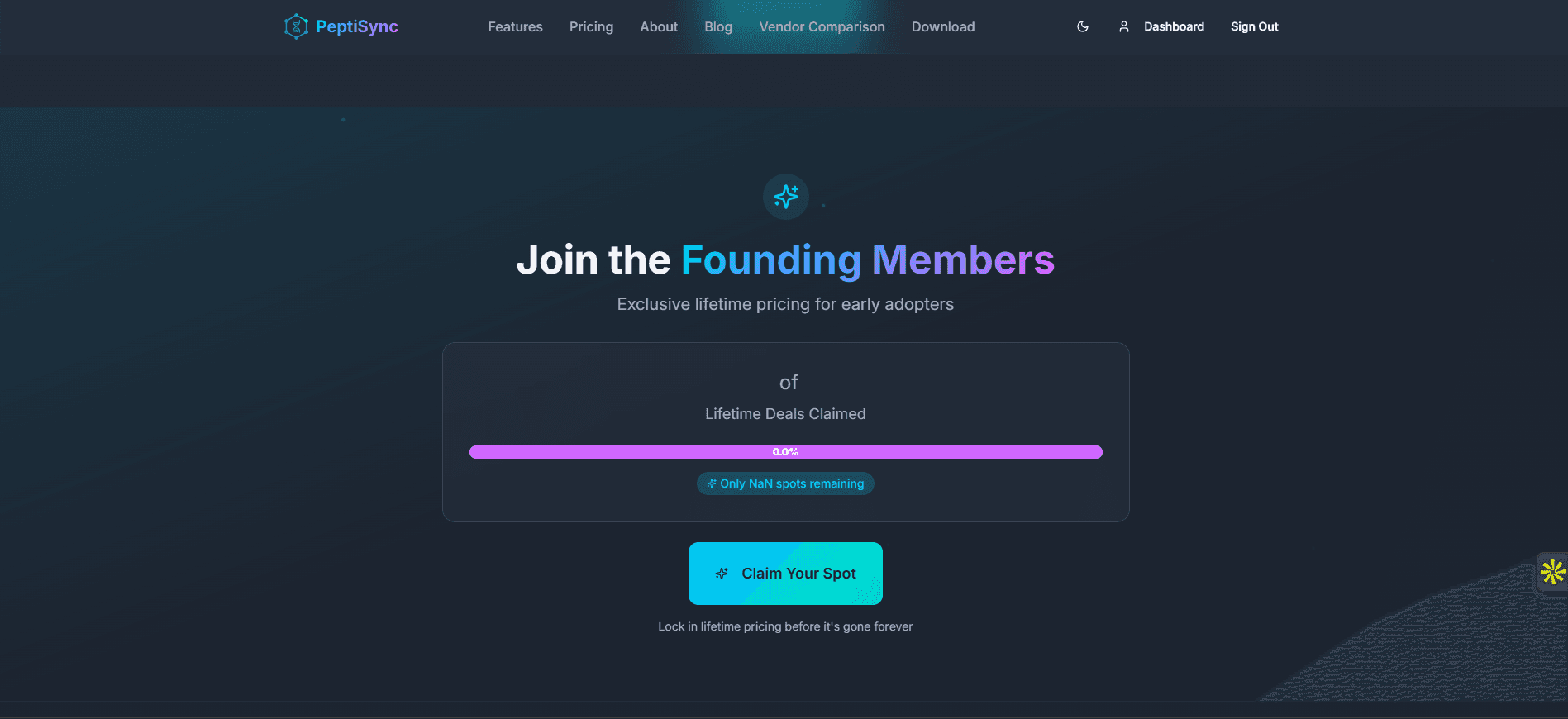
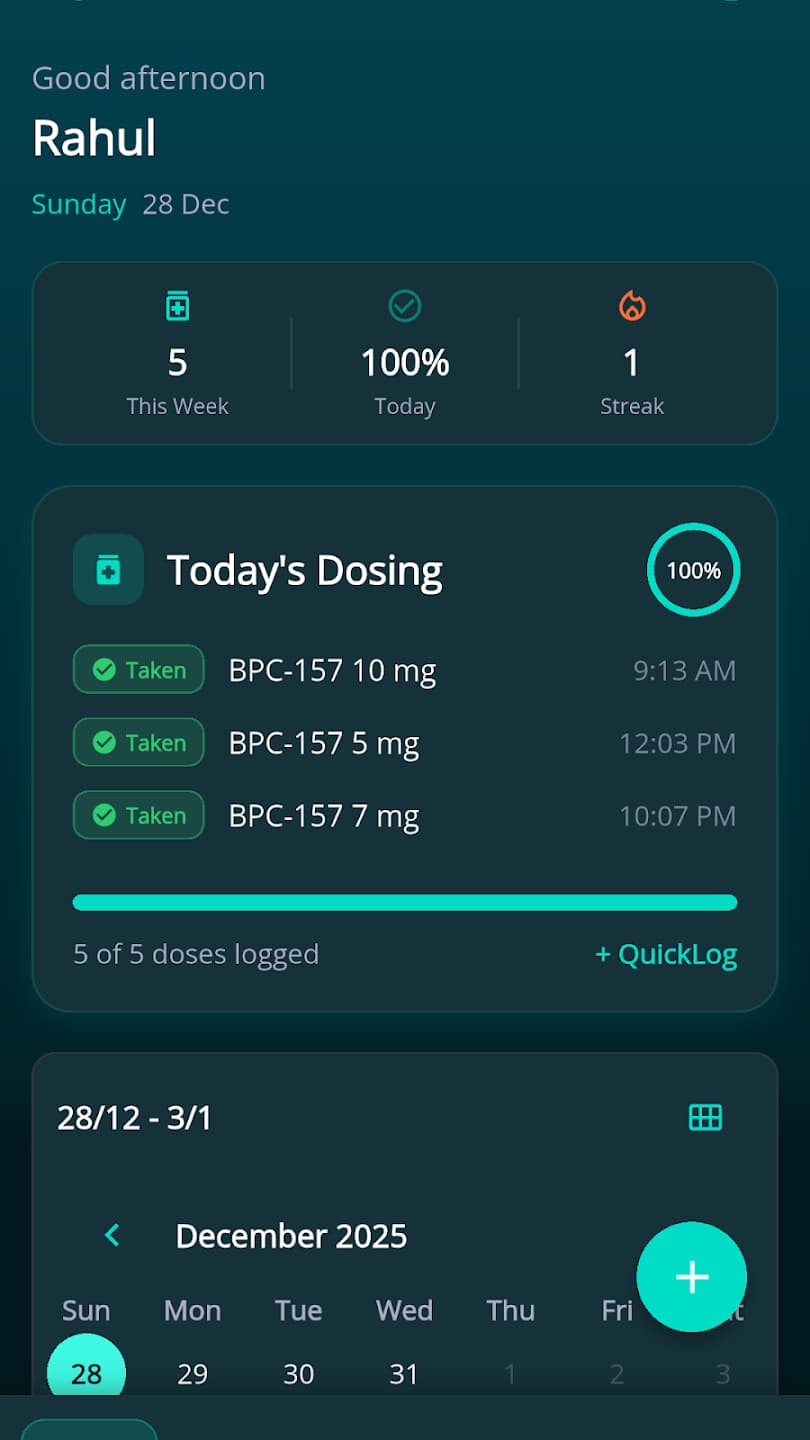
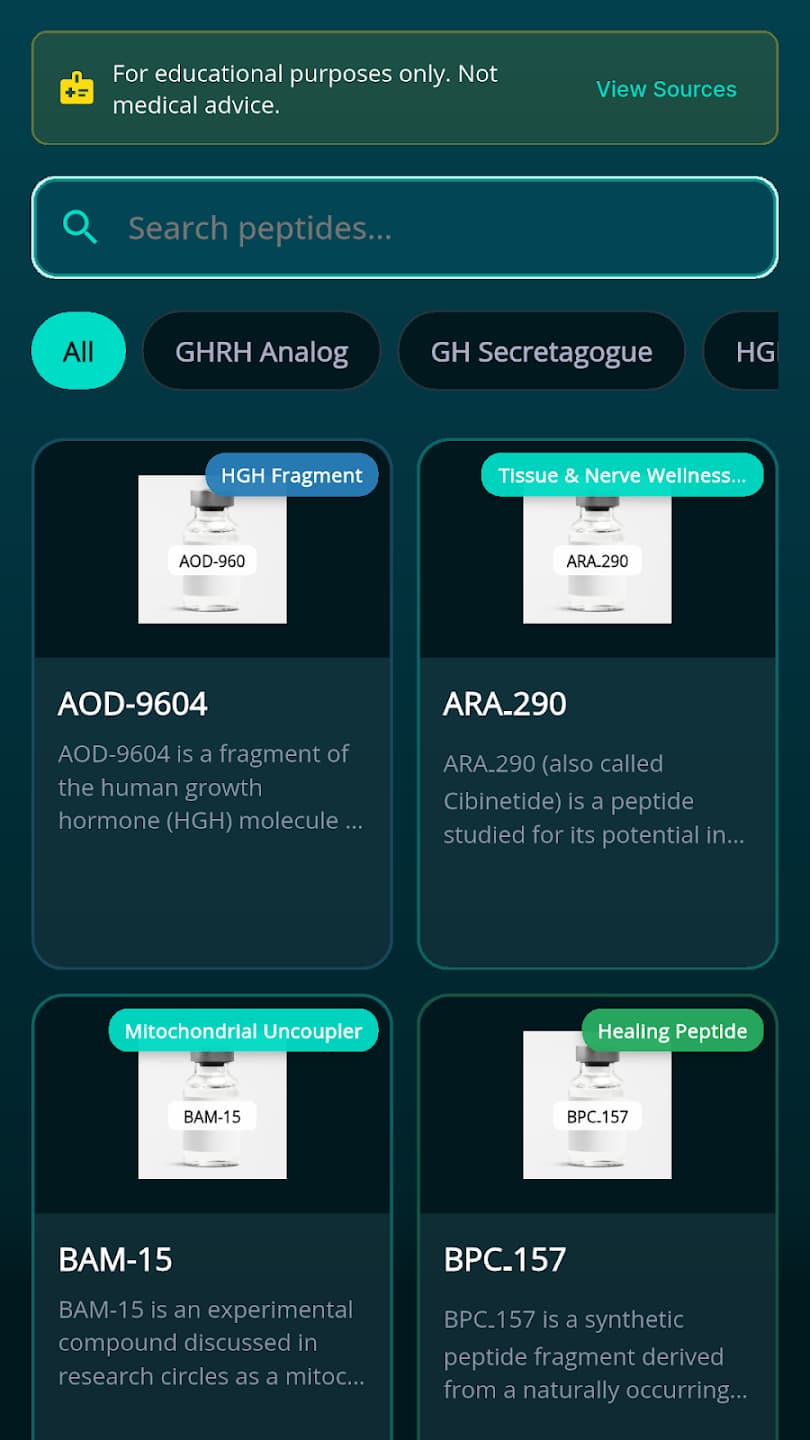
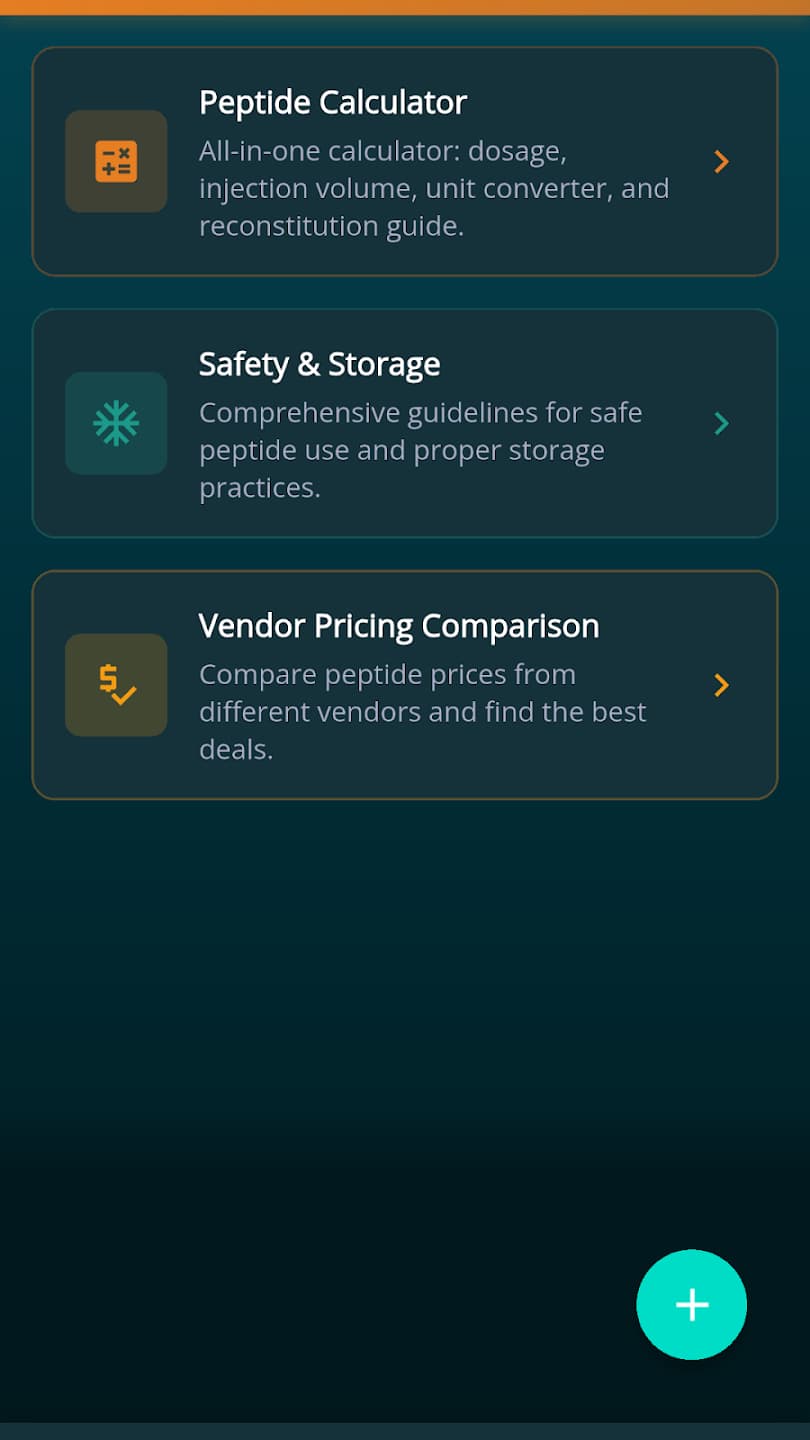
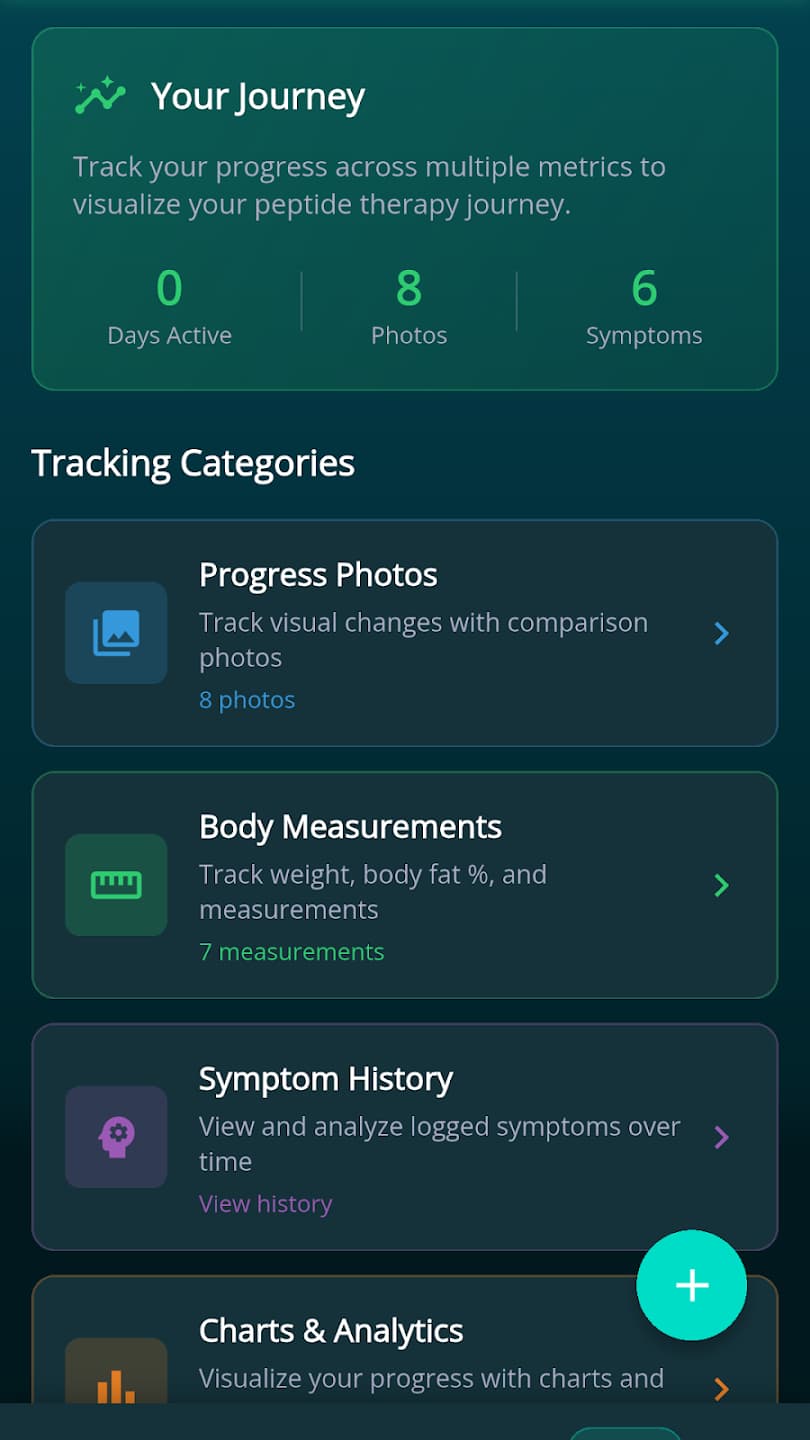
Deployment
Web — Next.js deployed to peptisync.com
Android — Google Play Store
iOS — Apple App Store
Each platform underwent its own review process, with the App Store requiring additional health-app compliance checks.
Lessons Learned
- →Flutter's single codebase for Android and iOS dramatically reduced maintenance overhead.
- →Firebase Cloud Functions with Firestore triggers enabled automated daily pricing updates without user-facing latency.
- →The incremental migration strategy (keeping FlutterFlow live while rebuilding) was critical for user trust.
- →App Store review for health apps requires thorough documentation — planning early saved weeks.
- →Riverpod provided better testability and DI than Provider as the feature set grew.
Outcome
Successfully launched a production-ready HealthTech SaaS platform across Web, Android, and iOS.
Successfully launched production web application at peptisync.com. Successfully launched Android application on Google Play Store. Successfully launched iOS application on Apple App Store.
Delivered a complete ecosystem covering peptide tracking, vendor price comparison, subscription management, and real-time notifications.
Services used in this project
Other Case Studies

Read the Blog
Technical articles on SaaS development, MVP strategy, mobile apps, and SEO — written while building real products.
Visit the blog →Like what you see?
I am available for freelance work. Tell me about your project and I will get back to you within 4 hours with an honest assessment.