Reliable APIs and Backends That Scale
Clean, documented, and secure APIs built to production standards. Whether you need a new backend from scratch or improvements to an existing one.
- Typical timeline
- 1-4 weeks
Who This Is For
Every modern application runs on APIs. Whether you are building a mobile app, connecting microservices, or exposing data to partners — your API is the foundation everything else depends on.
- ✓Startups building mobile or web apps that need a backend API
- ✓Businesses replacing legacy APIs with modern REST or GraphQL
- ✓Teams needing third-party integrations (Stripe, Twilio, CRMs)
- ✓Companies building microservices architectures
- ✓Agencies delivering backend services for client projects
Who This Isn't For
- ✗Full web application development with user interfaces — see Web Application Development
- ✗Data entry, manual content management, or one-off data exports
- ✗Building user-facing frontend interfaces or dashboards
- ✗Projects that need a complete SaaS with billing and multi-tenancy — see SaaS Development
Development Process
From idea to deployment. Each phase has clear deliverables so you always know where we stand.
API Design
3-5 days
We define endpoints, data models, authentication strategy, and error handling conventions. You get an OpenAPI specification before any code is written.
Backend Development
1-2 weeks
I build with Node.js, Python, or Go depending on your needs. Authentication, rate limiting, error handling, and structured logging are included from the start.
Testing & Documentation
Week 1
Automated tests, complete Swagger/OpenAPI documentation, and Postman collections. Your team can use the API confidently without asking questions.
Deployment & Monitoring
3-5 days
Deployed with CI/CD pipeline, monitoring, and alerting. You see API performance, error rates, and usage metrics in real time.
What's Included in Every Project
Every api & backend development project ships with these core components pre-architected.
Authentication & Authorization
JWT, OAuth2, API keys, or custom SSO. Role-based access control and permission scoping for every endpoint.
API Documentation
Auto-generated OpenAPI/Swagger spec with request/response examples, authentication details, and error codes ready from day one.
Rate Limiting & Security
Per-endpoint rate limits, IP whitelisting, input validation, CORS configuration, and audit logging — not optional extras.
Database Layer
Schema design, indexing strategy, connection pooling, and migration pipeline for production performance and data integrity.
Monitoring & Logging
Structured logging, error tracking, uptime monitoring, and performance alerts so you know when something needs attention.
Why a Custom API Beats Backend-as-a-Service
Firebase and Supabase are great for prototypes and MVPs. But production APIs need custom logic, specific data models, and integrations that no BaaS can fully handle.
Your Business Logic, No Platform Limits
Custom authentication flows, complex validation, multi-step transactions, scheduled jobs — there is no ceiling on what your API can do.
Performance Tuned to Your Use Case
Database queries, caching strategies, and response formats optimized specifically for your application — not a generic solution built for everyone.
Full Security Control
Custom rate limiting per endpoint, IP whitelisting, audit logging, and compliance requirements implemented exactly to your standards.
No Vendor Lock-In
Your API runs on your infrastructure — AWS, GCP, Azure, or on-premises. Deploy anywhere, scale horizontally, migrate without rewriting.
Custom API vs Backend-as-a-Service
Firebase and Supabase are excellent for rapid prototyping. But when you need complex business logic, enterprise security, or custom integrations — a custom API is the right choice.
| Custom Development | BaaS (Firebase, Supabase) | |
|---|---|---|
| Business logic complexity | Unlimited — any logic, any flow | Limited to platform capabilities |
| Database control | Any database, any schema, custom queries | Platform-specific database only |
| Authentication | JWT, OAuth2, API keys, custom SSO, MFA | Platform auth — limited providers |
| Rate limiting | Custom rules per endpoint, tiers, keys | Platform-level only, limited control |
| API documentation | Full OpenAPI/Swagger spec auto-generated | Limited or auto-generated without detail |
| Monitoring & debugging | Custom logging, tracing, error tracking | Platform console, limited visibility |
| Self-hosting option | Deploy anywhere — AWS, GCP, Azure, on-prem | Vendor cloud only |
| Scaling | Horizontal scaling, read replicas, Redis cache | Auto-scaling within platform limits |
Using Firebase or Supabase and hitting performance or flexibility limits? I can migrate your API to a production stack or build the backend your next version needs.
Plan Your API ArchitectureReal-World Experience
I've built REST APIs for HealthTech SaaS (PeptiSync with real-time vendor pricing), integrated Stripe webhooks for subscription billing, connected mobile apps to Firebase Cloud Functions, and built API layers for web dashboards. I've also deployed Telegram automation systems using Telethon's MTProto API with production-grade session management and systemd infrastructure. Every API is documented, tested, and deployed with monitoring.
What You'll Receive
Every project ships with these deliverables — no add-ons, no surprises.
Clean, consistent API designed to your exact data model, with predictable endpoint naming and standardized response formats.
JWT, OAuth2, API keys, or custom SSO — implemented with security best practices including token rotation and refresh flows.
Schema design, indexing for query performance, migration pipeline with rollback, and connection pooling for concurrent traffic.
Auto-generated Swagger/OpenAPI spec with request/response examples, authentication details, error codes, and interactive testing.
Per-endpoint rate limits, input validation, CORS configuration, request logging, and audit trails for compliance.
Error tracking (Sentry), uptime monitoring, performance alerts, automated deployment pipeline, and a deployment runbook for your team.
Tech Stack Rationale
Every technology is chosen for a reason — not just because it is popular.
Node.js / Express / Fastify
Excellent for I/O-heavy APIs and real-time features. Fastify adds schema-based validation and top-tier performance. The JavaScript ecosystem means frontend and backend teams share language and types.
Python / FastAPI
Best for data-intensive APIs, AI/ML integration, and complex business logic. FastAPI provides automatic OpenAPI docs, validation via Pydantic, and async support out of the box.
PostgreSQL
ACID-compliant, powerful querying with window functions and CTEs, native JSON support, and excellent tooling. The go-to for production APIs that need data integrity.
Redis
In-memory caching for API response speed, session management, rate limiting counters, and pub/sub messaging. Critical for API performance under load.
Common Mistakes to Avoid
I have seen the same patterns stall or kill promising projects. Here is what to avoid — and how I help you sidestep each one.
❌ Designing endpoints without considering consumers
Fix: I design APIs from the consumer's perspective — consistent naming conventions, predictable response structures, and clear error messages that make integration painless.
❌ No versioning strategy from day one
Fix: APIs evolve. I implement URL or header-based versioning from the start so changes never break existing clients or require coordinated releases.
❌ Skipping rate limiting
Fix: Without rate limiting, a single runaway client can degrade or take down your API for all users. Rate limiting is infrastructure — not a nice-to-have.
❌ Vague or inconsistent error responses
Fix: Every error returns a structured response with a machine-readable code, human-readable message, and debugging hints. Your frontend team never has to guess what went wrong.
❌ No monitoring at launch
Fix: You cannot fix what you cannot see. Error tracking, uptime monitoring, and latency alerts are configured before the first request hits production.
Frequently asked questions
Do you write API documentation?↓
Yes, always. Every API I build includes Swagger/OpenAPI documentation so your team or future developers can use it without asking questions.
Can you integrate third-party APIs into my existing app?↓
Yes - payment gateways, SMS, email, social auth, maps, AI APIs, CRMs. Third-party integrations are a core part of my work.
How do you secure APIs?↓
JWT or OAuth2 authentication, rate limiting, input validation, CORS configuration, and proper error handling. Security is built-in, not bolted on.
Can you work with my existing codebase?↓
Yes. I frequently join existing projects to add features, refactor code, or integrate new APIs. I adapt to your current tech stack.
Related case studies
The PeptiSync vendor pricing API, Zeron.dev payment flow, and Telegram automation systems (Telethon MTProto with session management and Exit Code 75 recovery) show how I build production APIs — documented, monitored, and reliable from day one.
HealthTech / Wellness
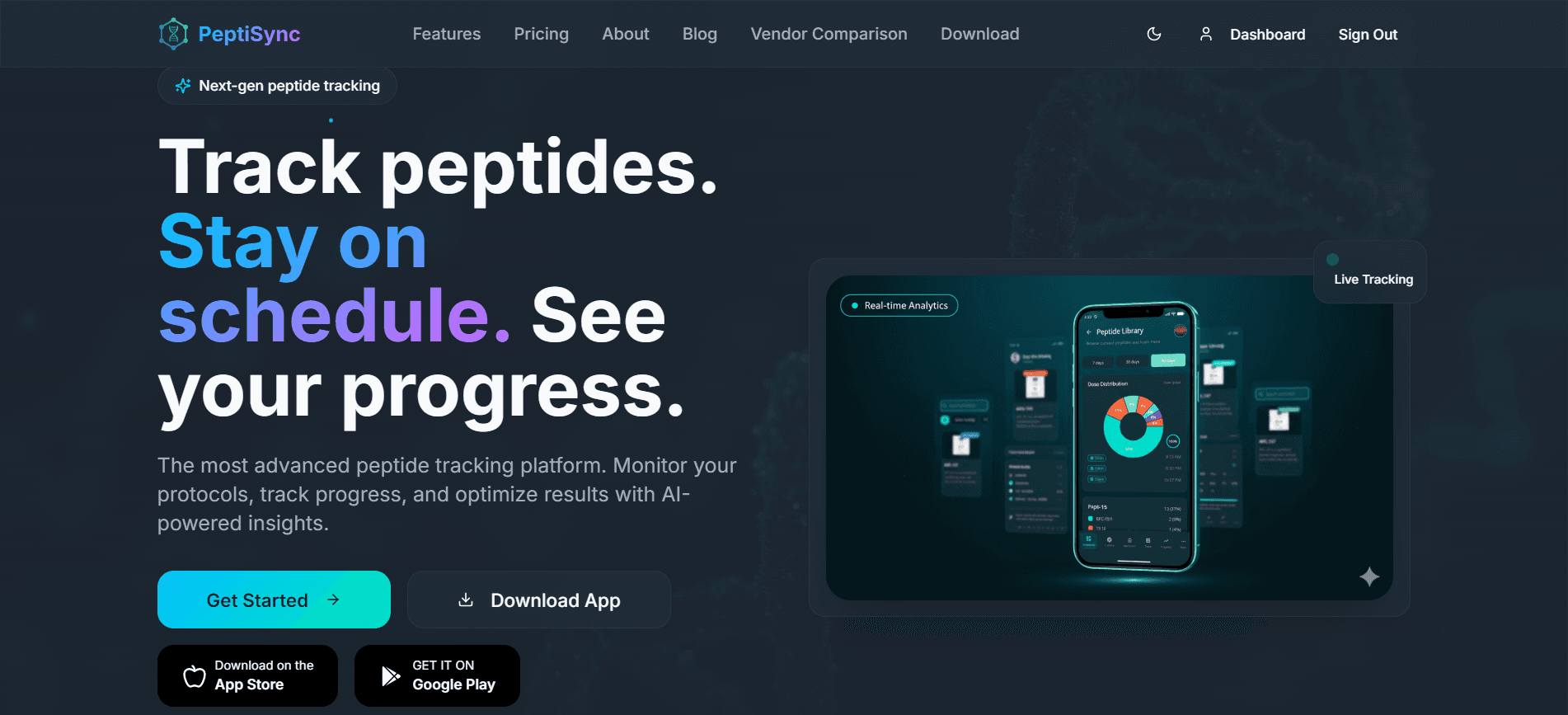
PeptiSync
A production-grade HealthTech SaaS platform for peptide therapy management with cross-platform mobile apps and real-time vendor price comparison. Built with Flutter, Firebase, and Next.js.
View case study →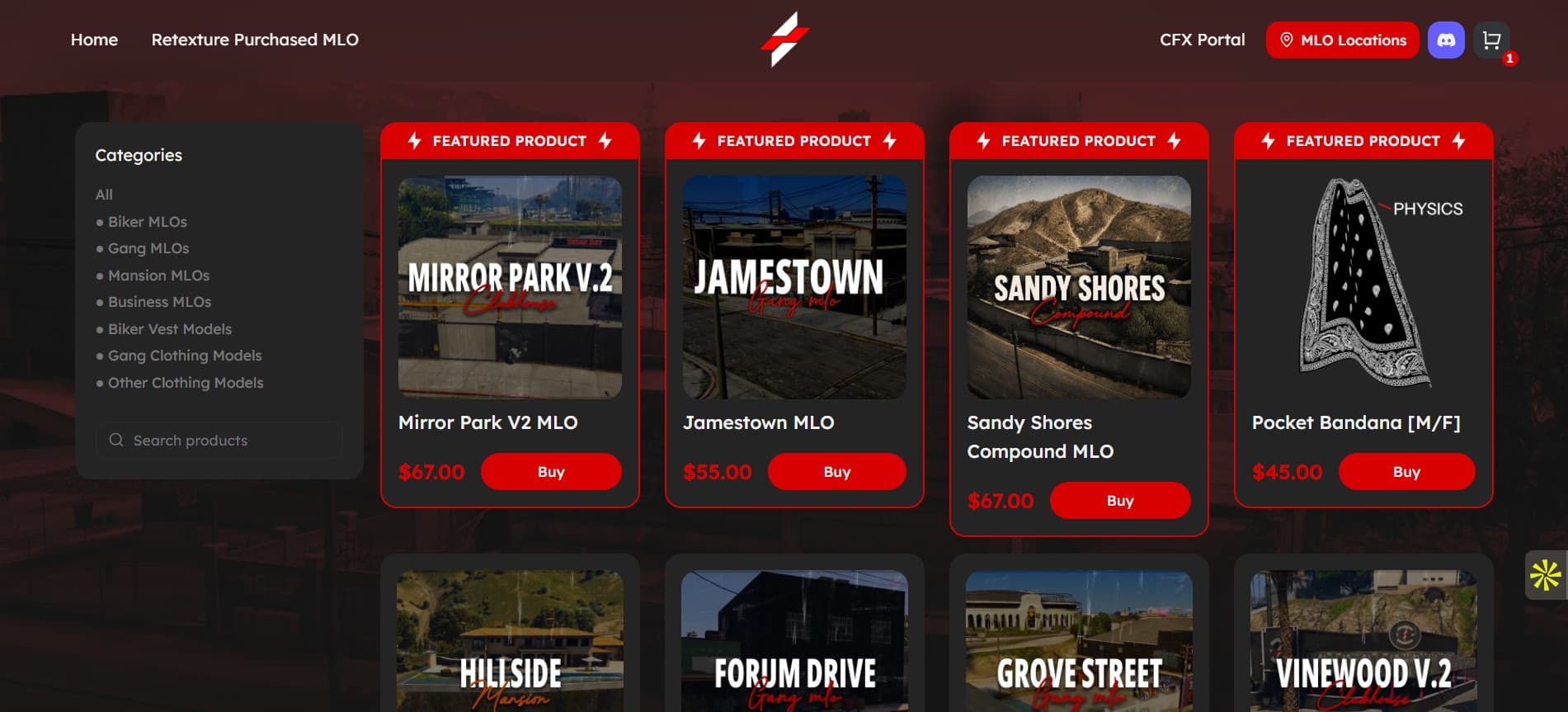
Gaming Marketplace
Zeron.dev
Resolved a revenue-critical production payment issue and built an interactive GTA map that transformed how customers discover in-game assets on this FiveM marketplace.
View case study →From the Blog
Deep dives into api & backend development — written while building real products.
Designing RESTful APIs That Scale
Production-tested REST API design patterns — resource naming, versioning strategies, cursor-based pagination, standardized error responses, and rate limiting.
Read article →Serverless APIs with Firebase Cloud Functions
Building production-ready serverless APIs — cold starts, dependency management, cost optimization, monitoring, and architectural patterns that scale.
Read article →Build Your API Ecosystem
A successful api & backend development needs more than just one solution. These complementary services help you go further.
Web App Development
Consume your API through a full-featured web dashboard, admin panel, or customer-facing interface built with Next.js.
View service →Mobile App Development
Connect your API to iOS and Android apps for a complete mobile experience with real-time data sync.
View service →SaaS Development
Package your API into a subscription-based SaaS with Stripe billing, multi-tenancy, and customer dashboards.
View service →Resources & Tools
Use these free tools and guides to plan your api & backend development project before we talk.
Project Cost Calculator
Get a realistic estimate for your project based on platforms, features, and complexity.
Estimate your project →SaaS MVP Planning Wizard
Answer a few questions and get a personalised planning report with actionable next steps.
Start planning →Founder Resource Library
Comparison guides, checklists, and templates to help you make better technical decisions.
Browse resources →Related services
Ready to get started?
Tell me about your api & backend development project and I will get back to you within 4 hours with an honest assessment and a quote. You can also book a call if that is easier for your team.